
Project Overview
CarrCARE Developments is expanding into Southside Illinois, with a planned $350,000 investment to support the development of a new, community-centered urban district. This project is designed to combine affordable housing, cultural preservation, and economic revitalization in one of Illinois’ most historically rich regions.
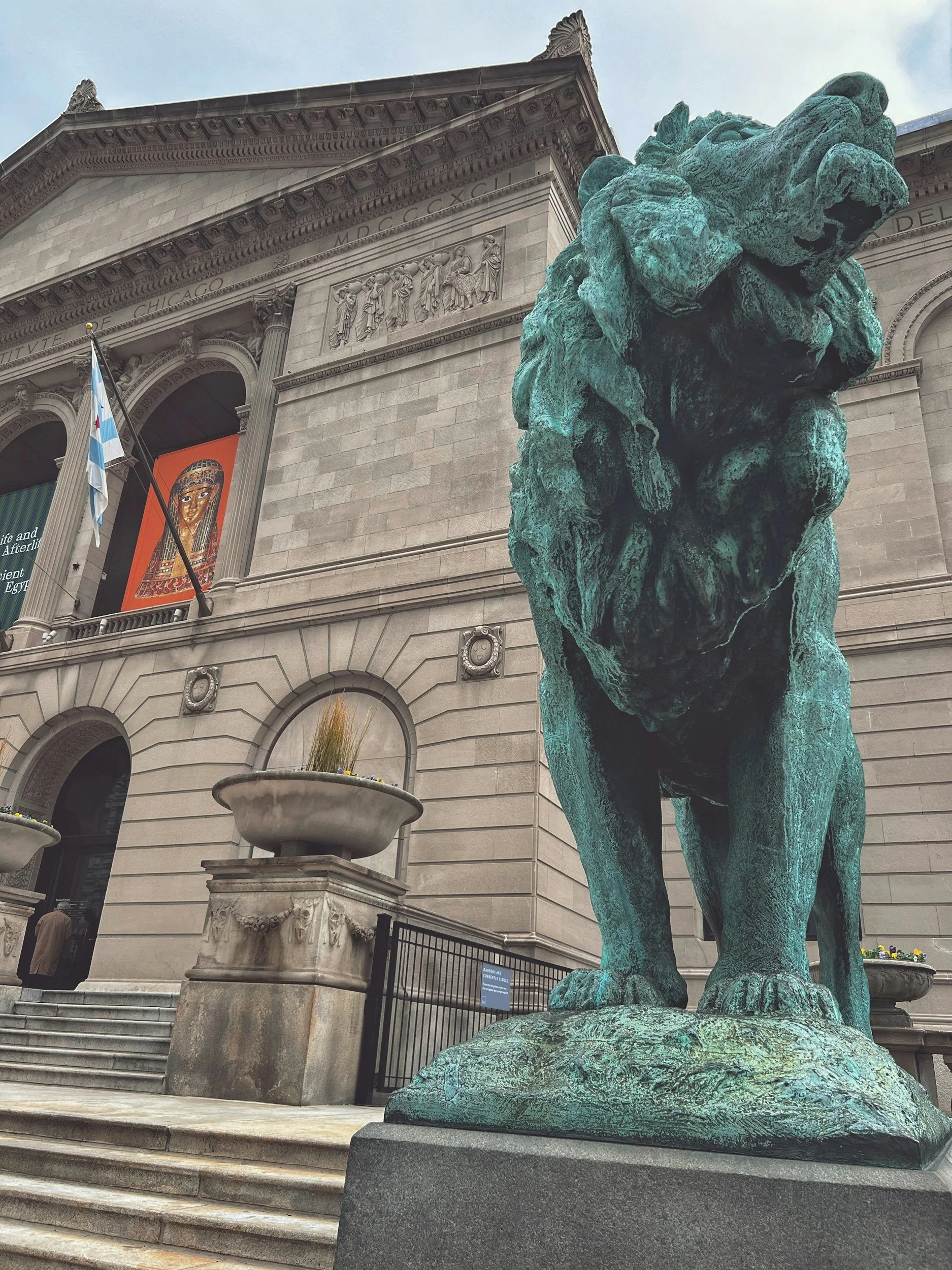
Current view of Overton Hygienic Building via Illinois Tech Magazine
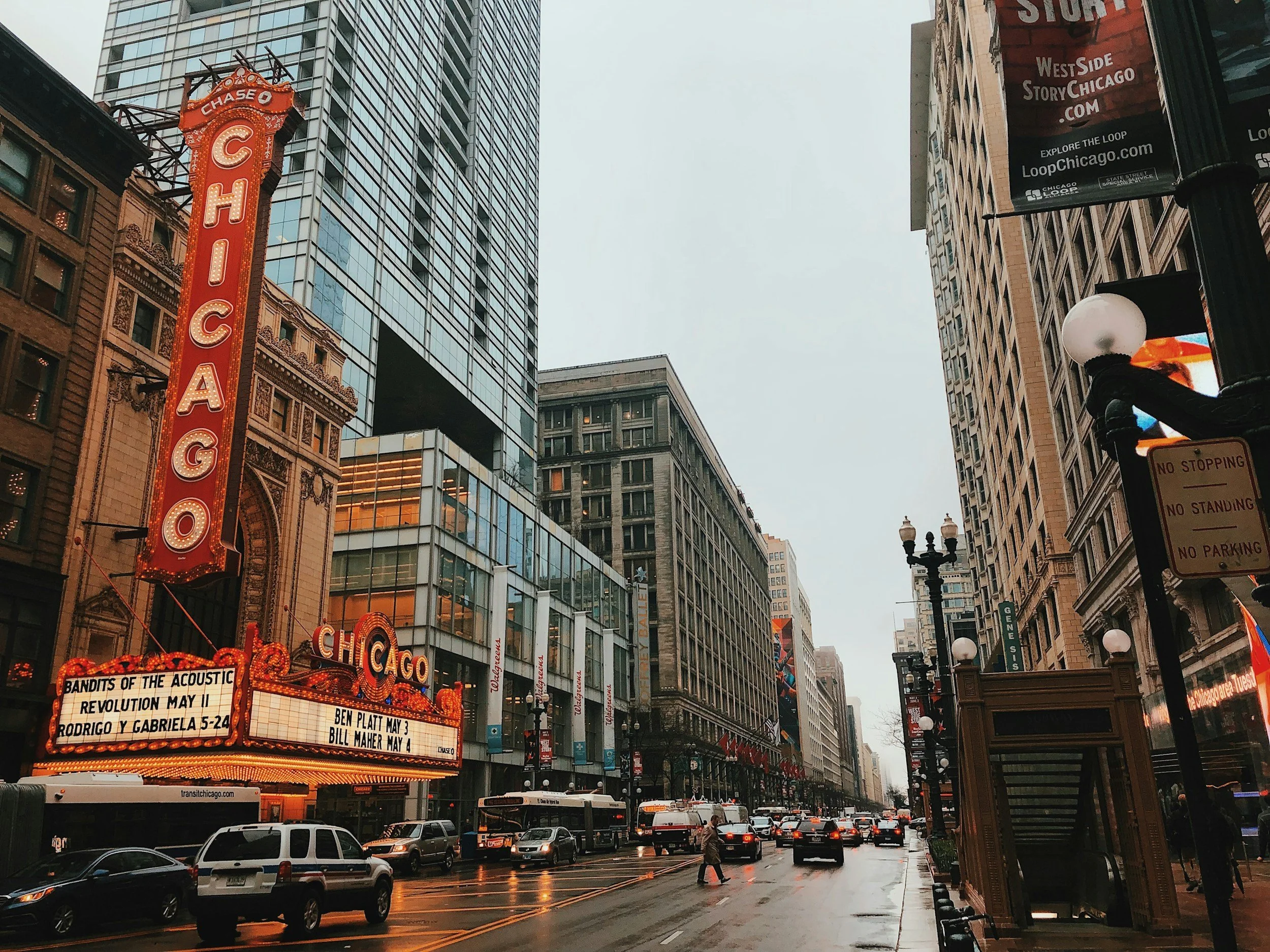
About the Area
The South Side of Chicago is one of the most culturally significant urban regions in the United States, shaped by waves of migration, industry, and community resilience.
Originally, the area grew in the 19th century as a hub for European immigrants including Irish, Italian, Polish, and Eastern European communities, who settled near factories and industrial zones.
In the early 20th century, the South Side became a central destination during the Great Migration, when African Americans moved from the Southern U.S. seeking economic opportunity and safety. This led to the rise of historic Black communities such as Bronzeville, often referred to as a “Black Metropolis” due to its thriving culture, businesses, and arts scene.
Today, the South Side reflects a diverse and evolving population, predominantly African American, alongside growing Hispanic and international communities, including African and Latin American populations.
Despite historical challenges such as segregation and underinvestment, the area remains a center of cultural identity, entrepreneurship, and community strength, making it a prime location for thoughtful and inclusive development.
Why This Matters
Southside Illinois represents both heritage and opportunity, a place where strategic investment can drive meaningful change while honoring the people and history that define it.
Development Vision
This project aims to:
Revitalize underutilized spaces into modern, affordable housing
Support local businesses and minority entrepreneurs
Preserve the cultural identity and historical significance of the area
Create a sustainable, community-first environment